Youth for
Change
It is a common question - why would a women's organization, working to empower young women, want to engage with men? It is well known that we live in a man's world wherein they hold substantial powers and privileges. Society's son preference is a prime example. Men need to be aware of their patriarchal privileges which have led to a normalisation of violence, a lack of opportunities, discrimination and dependency for women. Women, on their part, should learn that it is possible to overcome gender discrimination and oppression and lead a productive and violence free life. Together, all of us can bring in a more equal and just society by changing ourselves and society.
The Youth for Change Program asks young men and women to work towards self- transformation. Society has placed them in rigid boxes of 'men' and 'women' and punishes them in diverse ways if they act differently. This program un-boxes masculinity and femininity so that both can be themselves and treat each other with equality and respect.
"Act like a man"
The common perception of an ideal man is muscled macho-ness or the strong silent type, not shying away from a fight, confident, knowledgeable, a leader, a risk taker and so on. Unmanliness means being soft, expressing emotions, doing housework or being girly. The rough and tough, masculine characteristics are supported by culture – myths, pop songs, film and literature. They are reinforced by institutions like schools and workplaces. Women, too, look for them in their version of an 'ideal man'. We also see the impact of this often toxic and detrimental form of masculinity in the high levels of violence. Violence and the fear of violence is used to subdue women and 'keep them in their place' i e under men's control. These systemic patriarchal controls are found and implemented in all structures of society.
"Behave like a girl"
A 'good girl' is one who is seen but never heard which means she has to bottle her voice and feelings, not express her opinions, do housework, bear violence and sacrifice herself for the sake of the family. Another common saying – 'a woman's place is in the home' usually means doing unpaid domestic work, keep the family fed and happy and continue to be dependent, propertyless and vulnerable to violence and financial crisis. Like men, society puts women in a box too but with a difference. Women have no real power, but mostly restrictions on their behaviour, so that they lead a life of fear, rein in their mobility, let go of opportunities, do not develop their capabilities and let their dreams remain unfulfilled.
Akshara's YCP program exposes the unfairness and oppression inherent in gender roles and stereotypes for both young men and women by motivating them to change themselves and society.
Click on a box to learn about Akshara's inter-active trainings and public actions.

Unboxing Gender


Out of the Box

Dismantling the Box
Unboxing Gender
"One is not born, but rather becomes, a woman (or a man)". Simone de Beauvoir's famous statement means that men and women may have different biological characteristics but we are moulded into being a man or woman through socialisation, through making the pink and blue distinctions, through perpetuating the petit versus tough appearances, encouraging boys towards science and girls towards arts, stereotyping the male as an earner and female as a homemaker. We imbibe these messages as infants and learn them through childhood and beyond.
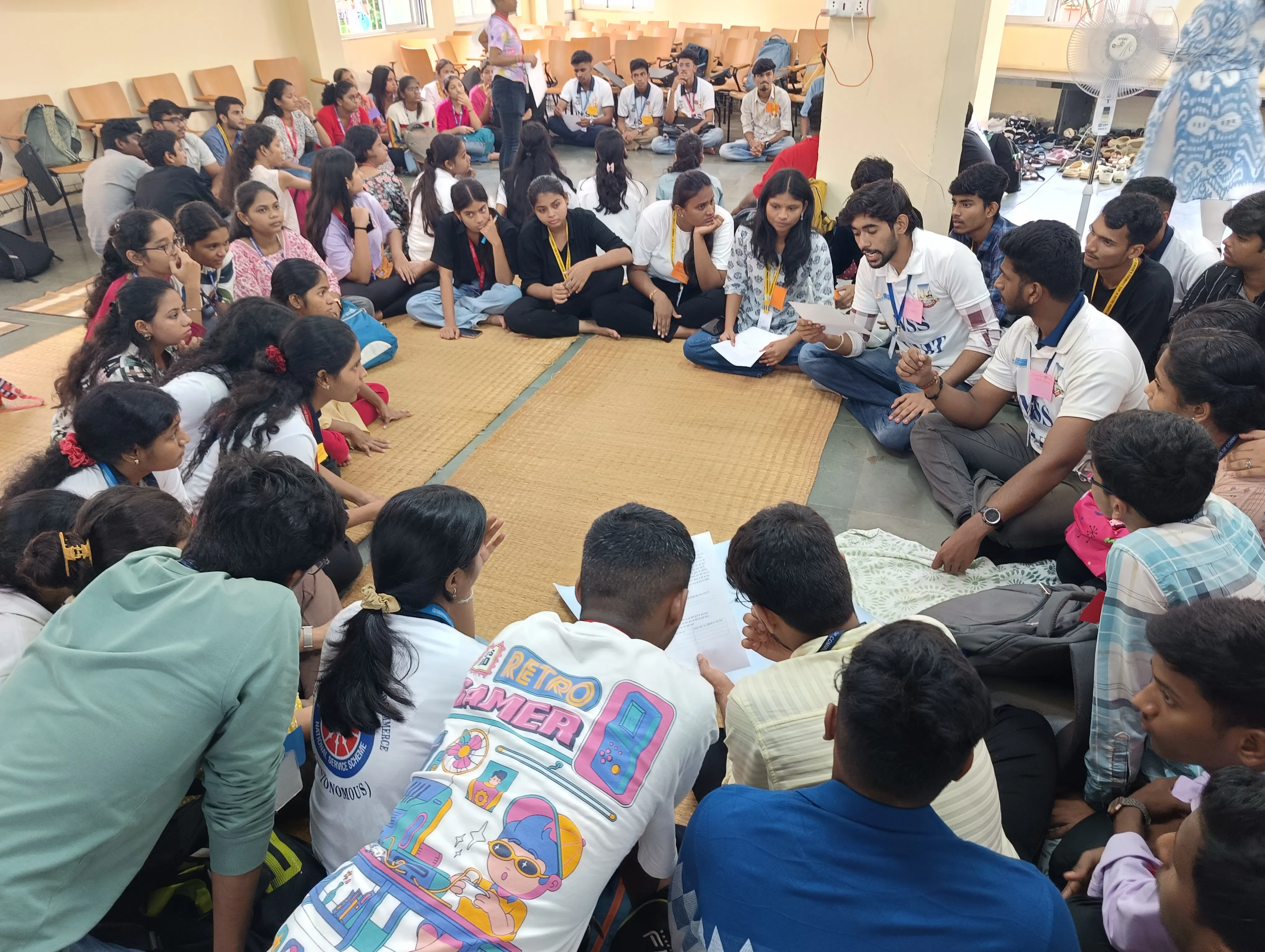
Akshara's inter-active workshops go into the distinctions of sex and gender, challenge gender roles and stereotypes, and the use of or fear of violence so that they can unbox the ideas around masculinity and femininity.
Every year, around 2500 students from 38 colleges across Mumbai, Nashik and Pune attend Akshara's interactive workshops.
Akshara attempts to make gender concepts and theories simple so that young people can apply them in their daily lives. Feedback from Akshara's alumni shows that after attending these workshops, men begin sharing tasks with their mothers, supporting their sisters' education and helping young women who are sexually harassed. They understand everyday sexism in the form of sexist jokes and swear words. Topics like the gender context of citizenship, platonic relationships, and consent in intimate relations are discussed.

Out of The Box
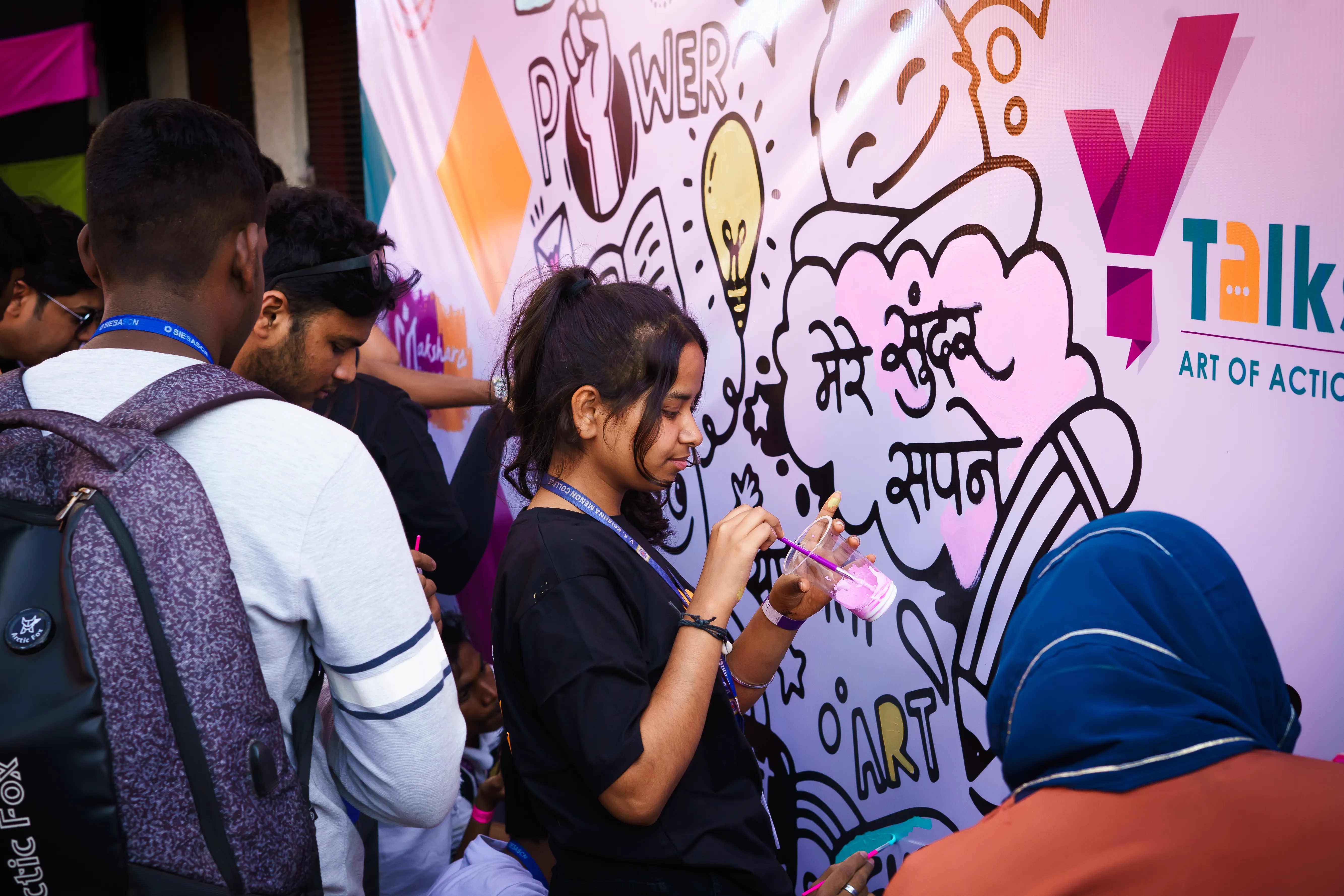
79% young men and 87% women believed in the concept of gender equality according to Akshara's nation-wide survey. But there is a difference between believing in equality and applying it within one's family relations, at school or at the workplace. Akshara sees the area between merely believing and actually doing as a space for peer interaction and debate. Young people are encouraged to discuss patriarchal stereotypes, gender roles, and social discrimination as well as inter-caste and inter-religious marriages, relationships, women's mobility, and clothing choices.
Leaders emerge from 38 Gender Equality Clubs every year in 3 cities Around 76 Group Leaders and 42 Alumni Leaders engage in activities and discussions around gender equality
Student leaders from colleges use numerous tools like games, film screenings, panel discussions and competitions for dissecting and probing concepts before accepting them. One of Akshara's current public discussions is called YTalks or Youth Talks which is attended by approximately 500 students and the oft discussed themes are inter-generational conflict, intimate relationships, gender bender examples and so on.

Dismantling The Box
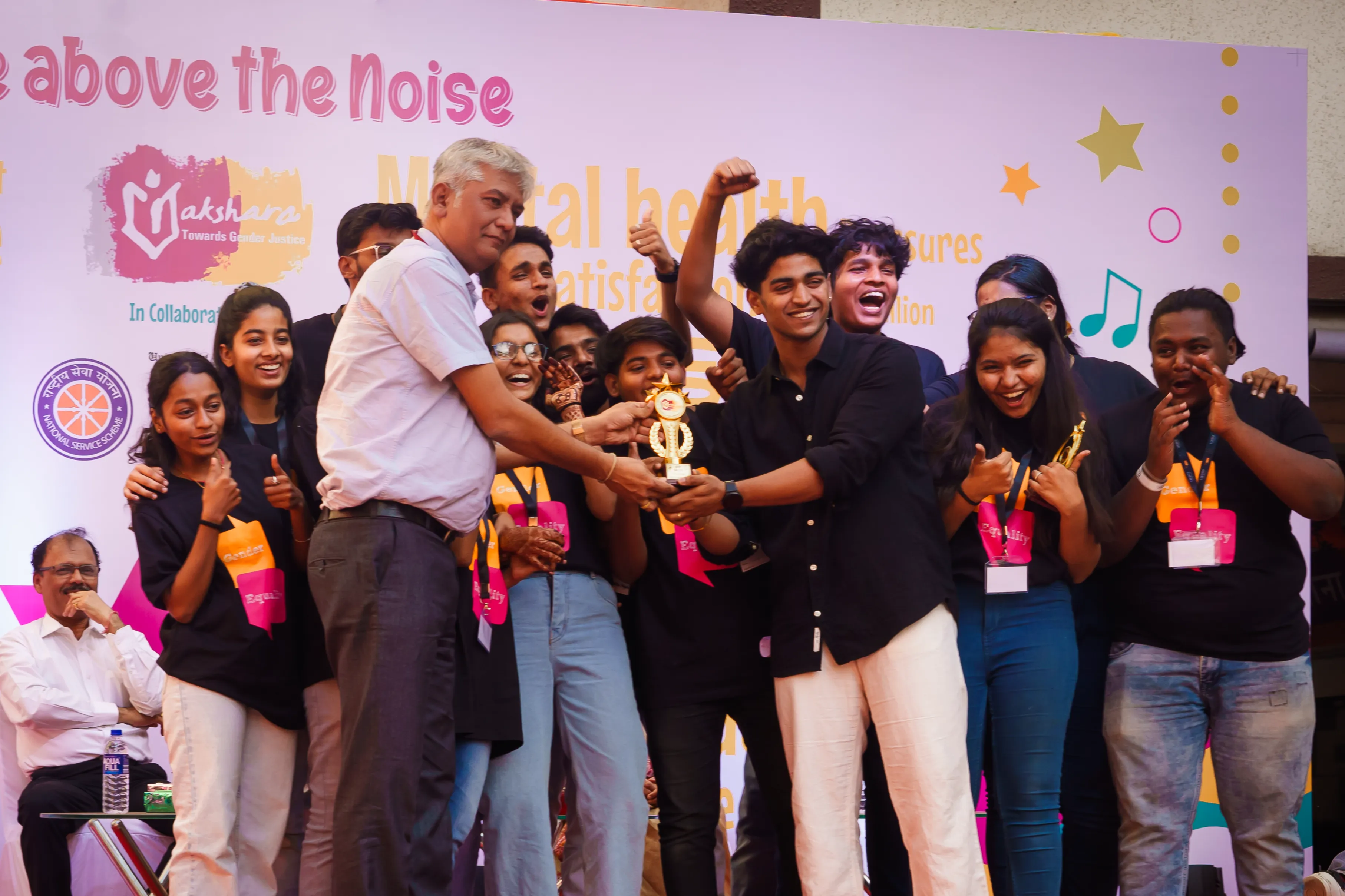
Young people can and do dismantle the masculinity and femininity boxes by refusing to abide by conventional gender norms. They demonstrate it through public actions. Some of the most popular actions are organizing Safety Walks in their college premises or on specific streets and make recommendations on improving infrastructure or appointing personnel for the safety of women. In the majority of cases, youth safety walkers have been able to lobby for improved toilets for women, increased street lights, or patrols by security men, or the police on the streets. Another popular method is organizing Gender Info Melas at colleges which have inter-active games and discussions on gender division of labour in the house or lack of opportunities for women.